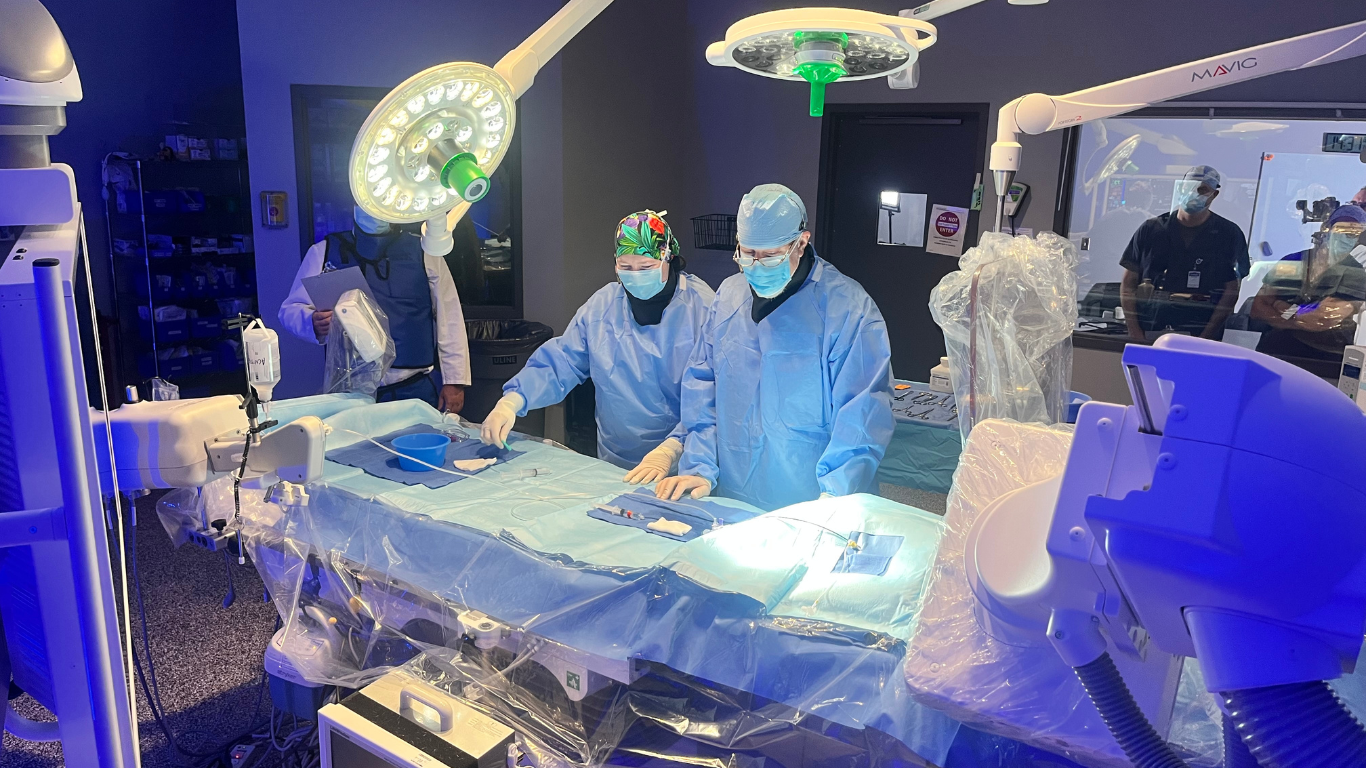
Designing a Proof-of-Concept (PoC) study is one of the most strategically important steps in the medical device development process. A well‑executed PoC provides the earliest real‑world evidence of whether a device idea works as intended—technically, clinically, and operationally—before committing significant resources to engineering, regulatory submissions, or full clinical trials. This article walks through a structured, practical approach to building a high‑quality Proof of Concept study that accelerates development and reduces risk.
1. What is a Proof-of-Concept Study?
A Proof-of-Concept study is an early, small‑scale investigation designed to answer one core question: does the device perform as anticipated? It represents the first point where the device moves beyond theory and controlled bench testing into a context that approximates real‑world use.
PoC studies are essential because they help determine whether a medical device concept is feasible before investing in larger engineering or clinical programs. They allow teams to:
- Identify design flaws early
- Reduce technical uncertainty
- Make informed decisions about whether to advance, refine, or abandon a device concept
While study endpoints vary by device type, the overarching question remains the same: Does this idea work in the real world the way we think it will?
2. Clarify the Purpose of Your PoC Study Early
Before designing the PoC study, clearly define the problem your device aims to solve and the hypotheses you need to validate. This includes articulating:
- What critical need does the device address
- What technical or clinical assumptions must be tested
- Which aspects of device performance are still uncertain
It is also essential to distinguish PoC studies from prototype testing, verification/validation activities, or pivotal clinical trials. PoC studies are exploratory and flexible, with the goal of identifying feasibility—not confirming regulatory‑grade performance.
3. Consider Regulatory Expectations from the Start
Regulatory considerations should be evaluated before initiating a PoC. A device’s regulatory class (i.e. Class II or III in the US) influences how complex the study must be and the submission pathway.
In many cases, early PoC studies, especially those involving simulated use, bench testing, or non‑significant risk activities, may be performed outside formal pathways.
Engaging early with regulatory bodies, such as through the FDA Q‑Submission program or discussions with EMA/Notified Bodies, can provide clarity on expectations and helps avoid costly missteps including insufficient/non‑accepted studies.
4. Define Clear, Measurable Study Objectives
PoC objectives should be laser‑focused and linked to specific device uncertainties. Common objective categories include:
- Safety‑related objectives, even for early feasibility studies
- Technical feasibility, such as signal quality, mechanical integrity, or usability
- Clinical feasibility, including physiological performance or workflow integration in real care environments
- Operational feasibility, such as ease of recruitment or user‑training requirements
Each objective should translate into a measurable endpoint or performance criterion.
Defining the Objectives of Your Animal PoC Study
Successful Proof-of-Concept studies in animals begin with clearly defined objectives. Sponsors should identify:
- The specific device features or assumptions being tested
- The biological or anatomical questions that cannot be answered in vitro
- The decisions the PoC study is intended to support (e.g., design iteration, model selection, advancement to GLP)
At this stage, focus is key. Animal PoC studies should target the highest risk uncertainties, not attempt to answer every development question at once.
5. Select the Right PoC Study Design
Your PoC study design should match both the maturity of the device and the type of questions you need to answer. Options range from:
- Bench studies to evaluate mechanical, electrical, or functional characteristics. The FDA recommends performing benchtop and nonclinical tests first; animal studies should fill safety gaps not resolved by those methods.
- Preclinical studies including simulated use, cadaveric, or animal models
- Human factors studies for early signals of real‑world performance
These categories and their tradeoffs are central to PoC planning. Since PoC studies are intentionally small, sample size decisions should be purposeful and hypothesis‑driven rather than statistically powered for regulatory endpoints.
PoC Study in Animal Models
For many medical devices, animal models provide the earliest opportunity to evaluate translational feasibility. Compared to benchtop or simulated use testing alone, animal PoC studies can:
- Reveal unforeseen anatomical or physiological challenges
- Validate device deployment, positioning, and functionality
- Identify early safety or tissue response considerations
- Inform design refinements before costly scale‑up
- De‑risk future GLP studies and first‑in‑human trials
By answering feasibility questions early, animal PoC studies help Sponsors avoid downstream redesign, regulatory delays, and unnecessary investment.
Selecting the appropriate animal model is critical for meaningful PoC outcomes. Key considerations include:
- Anatomical and physiological similarity to humans
- Relevance to the device’s mechanism of action
- Handling characteristics
- Regulatory acceptance
Common model categories include small animals (rodents and rabbits) for early signal detection and large animals (porcine, ovine, canine) when human‑like anatomy is required. Selection should also weigh availability, surgical requirements, and translational value. When uncertain, Sponsors should use the FDA Q‑Submission process to request feedback on model selection
6. Define Your Target Population and Use Environment
User and environmental factors significantly affect device performance. Consider:
- Precise inclusion/exclusion criteria to capture representative users or patient conditions
- User groups such as surgeons, nurses, technicians, or patients (depending on device type)
- Real‑world use conditions versus controlled lab environments—for example, operating room workflow versus benchtop simulation
7. Develop Outcome Measures and Endpoints
Your endpoints should directly reflect feasibility. Examples include:
- Primary endpoints: Device functionality, workflow compatibility, or essential performance criteria
- Secondary endpoints: Early indicators of safety or clinical benefit
- Qualitative feedback: Task analysis or structured user interviews including ease of use by the end user, which are often critical at this stage
When available, incorporate validated scoring tools to support consistency across evaluations.
8. Risk Management and Safety Planning
Even early PoC work must integrate principles from ISO 14971 risk management. Identify hazards, implement risk controls, and plan how risks will be monitored throughout the PoC.
Include:
- Safety monitoring processes
- Stopping rules for adverse events and actions to be taken
- Reporting structures appropriate for the scope of the study to include well defined lines of communication (i.e. primary and secondary points of contact at the company and conducting laboratory)
9. Build a Lean but Robust PoC Study Protocol
A PoC protocol should include essential elements such as:
- Study rationale
- Methods and procedures
- Sample size justification
- Specific endpoints to evaluate, including a data collection plan
- Procedures to prevent bias
- Plans for unexpected or adverse results
- Success criteria to clearly decide if endpoint criteria met
Your protocol should remain flexible enough to support iteration while still enabling reproducibility.
10. Select Sites, Investigators, and Partners
Choose sites or labs with appropriate expertise and facilities. Critical selections include:
- High‑caliber environments capable of handling early‑stage technologies
- Investigators experienced in device feasibility work, who can anticipate early‑stage challenges
- Study personnel must have appropriate credentials and facilities must support compliant monitoring, housing, and reporting
- Animal welfare considerations including efficiency of IACUC approval and for human studies, ethical considerations, including IRB approvals where required—even for small feasibility studies
Additional Site & Oversight Considerations (Animal Studies)
- Pre-study activities: Clarify time requirements for protocol development & veterinary pre‑review, animal acquisition, IACUC submission and approval, and amendments process for iterative prototypes.
- Accreditation & Assurances: Prefer AAALAC‑accredited institutions; confirm OLAW Assurance (if applicable) and biosafety approvals when using biohazards or infectious materials.
- Facility Capabilities: Verify imaging suites (fluoroscopy/CT/MRI), hemodynamic monitoring, sterile processing, and emergency resources. Ensure device sterilization/packaging is compatible with available methods.
11. Plan for Data Collection and Analysis
A balanced approach combining quantitative and qualitative data yields the richest insights. PoC studies may include:
- Video analysis
- Workflow mapping
- Structured user feedback such as defined Likert scales
- Define clear go/no‑go criteria and ensure full traceability through Good Documentation Practices (GDP)
12. Logistics, Operations, and Budgeting
Operational planning can make or break a PoC. Consider:
- Prototype preparation and training materials
- Sterilization and supply chain needs
- Device reliability systems
Early feasibility budgets should include contingencies for rapid design iterations.
13. Interpreting Your Results
Interpreting PoC study results requires evaluating both the degree to which objectives were met and the implications of unexpected findings.
Results should guide whether to proceed, pivot, or refine the device. They often reveal design improvements or strategic shifts needed before larger investment.
14. Communicating and Documenting Outcomes
Stakeholders—including R&D, testing laboratory staff (veterinarians and pathologists), clinical teams, regulatory affairs, and investors—want clear, concise documentation. Provide:
- A narrative linking objectives, methods, results, and next steps
- Internal reports that support decision‑making
- Material suitable for regulatory interactions when appropriate
15. Common Pitfalls and Best Practices
Some frequent pitfalls in PoC studies include:
- Overly complex protocols unsuited for early feasibility work
- Having too many or not well-defined objectives and endpoints
- Small sample sizes without clear alignment to objectives
- Failing to integrate user‑centered design early
- Insufficient documentation or poor risk planning
Being aware of these risks improves your study’s likelihood of generating meaningful insights.
Conclusion
A well‑designed Proof of Concept study is a strategic investment that accelerates device development and reduces uncertainty. It provides early evidence of feasibility, surfaces design refinements, and informs downstream engineering and clinical activities.
Thoughtfully designed PoC studies help teams move faster, smarter, and with greater confidence toward successful device commercialization.
Frequently Asked Questions (FAQs)
Can PoC studies involve human subjects?
Yes, some PoC studies may include early human feasibility evaluations, depending on device risk, maturity, and regulatory considerations. Ethical and regulatory approvals may still be required.
Are animal PoC studies required before human clinical trials?
While not always required, animal PoC studies often de‑risk future GLP studies and first‑in‑human trials by identifying design or safety issues early.
How many subjects are needed for a PoC study?
PoC studies are usually small and hypothesis‑driven. Sample size depends on the specific questions being addressed rather than statistical power requirements.
Are PoC studies required for regulatory submissions?
PoC studies are not always required, but they often inform later regulatory strategies by reducing uncertainty and supporting design decisions that impact verification, validation, and clinical planning.
What types of endpoints are common in animal PoC studies?
Animal PoC study endpoints focus on feasibility rather than safety or efficacy. Common endpoints include device deployability and functionality in vivo, technical performance under physiological conditions, procedural feasibility and workflow compatibility, anatomical fit, and immediate observations that affect usability.