When it comes to chemical characterization for medical devices, extraction time matters. Traditionally, 72-hour extraction cycles have been the default for prolonged and long-term contacting devices. But are they always necessary—or even ideal?
In this article, we explore whether 24-hour exhaustive extraction cycles can be a scientifically sound and regulatorily defensible alternative to 72-hour cycles, particularly for prolonged or long-term contact devices. Our findings suggest that, under the right conditions, shorter extraction cycles may not only be sufficient, but in some cases, preferable.
Why Question the 72-Hour Standard?
The rationale behind shorter extraction cycles is twofold. First, 24-hour cycles emphasize primary extractables, reducing the likelihood that degradation products form due to prolonged exposure to elevated temperatures and aggressive solvents. Second, shorter cycles align well with release kinetics–based toxicological approaches, which are increasingly recognized in ISO 10993-17 for estimating worst-case patient exposure.
ISO 10993-17 (2023) specifically allows the use of 24-hour extraction profiles to calculate the estimated exposure dose representing worst-case exposure (EEDmax), provided the data can be justified. This raises an important question: Can 24-hour extraction cycles, when performed exhaustively, provide data that is equal to—or more conservative than—72-hour cycles?
What the Standards and Regulators Say
Current standards and regulatory guidance leave room for flexibility—if the science supports it.
- ISO 10993-12 (2021) recommends both 24-hour and 72-hour extraction cycles, with 72 hours commonly applied to prolonged (>24 hours to 30 days) and long-term (>30 days) contacting devices.
- However, the same standard clearly states that 24-hour extraction is acceptable for prolonged or long-term devices if data demonstrates that extending extraction to 72 hours does not result in additional extractables.
- The FDA’s 2024 draft guidance on chemical analysis reinforces this concept, emphasizing that extraction duration and conditions must be justified and should demonstrate that exhaustion has been achieved and worst-case exposure is captured.
Together, these documents support the use of 24-hour extraction cycles when the following can be demonstrated:
- 24-hour cycles yield equal or higher extractables mass (by non-volatile residue, NVR) compared to 72-hour cycles.
- Exhaustivity is reached earlier than 72 hours, based on accepted criteria.
- No additional chemicals are released by extending extraction from 24 to 72 hours.
- Sufficient extractables are generated to reliably confirm exhaustion.
How We Evaluated 24 vs. 72 Hours
To better understand the impact of extraction cycle duration, we evaluated exhaustive extraction performed using both 24-hour and 72-hour cycles, comparing results on a mass-based (NVR) approach.
Test Articles
Three representative materials were selected:
- Polypropylene
- Polyisoprene
- Silicone
Study Design Highlights
- Extraction solvents: Purified water (polar), ethanol (mid-polar), and hexane (non-polar)
- Extraction ratio: 1 g : 5 mL
- Total extraction duration: 144 hours for both approaches
- Extractions performed with agitation
- Extracts concentrated via rotary evaporation prior to NVR analysis
- Solvent-only controls prepared in parallel
This design allowed for a direct comparison of extraction efficiency, exhaustivity, and total extractables released over time.
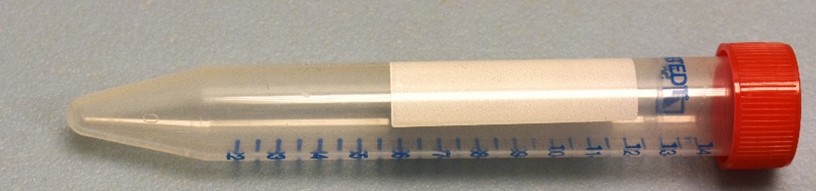
Test Article A
| Name | Polypropylene Vial |
| Identification | Röhre 15 mL PP tube REF 62.554.502 Lot: 4041821 |
Test Article B
| Name | Syringe |
| Identification | Medline Luer Lock Disposable Syringe without Needle REF SYR101010 Lot: 231120 Composition: polypropylene, polyisoprene, silicone oil |

Test Article C
| Name | Tubing |
| Identification | VWR Silicone Tube Pump Cat. No. 89068-432 Batch No. 116119 |

Extraction Conditions
| Extraction Solvent | Replicate | Extraction Conditions | Cycles |
|---|---|---|---|
| Purified Water | 3 | 50°C / 24 hours | 6 cycles |
| Ethanol | 3 | 50°C / 24 hours | 6 cycles |
| Hexane | 3 | 50°C / 24 hours | 6 cycles |
| Purified Water | 3 | 50°C / 72 hours | 2 cycles |
| Ethanol | 3 | 50°C / 72 hours | 2 cycles |
| Hexane | 3 | 50°C / 72 hours | 2 cycles |
What We Learned
Mass-Based Extraction Results (NVR)
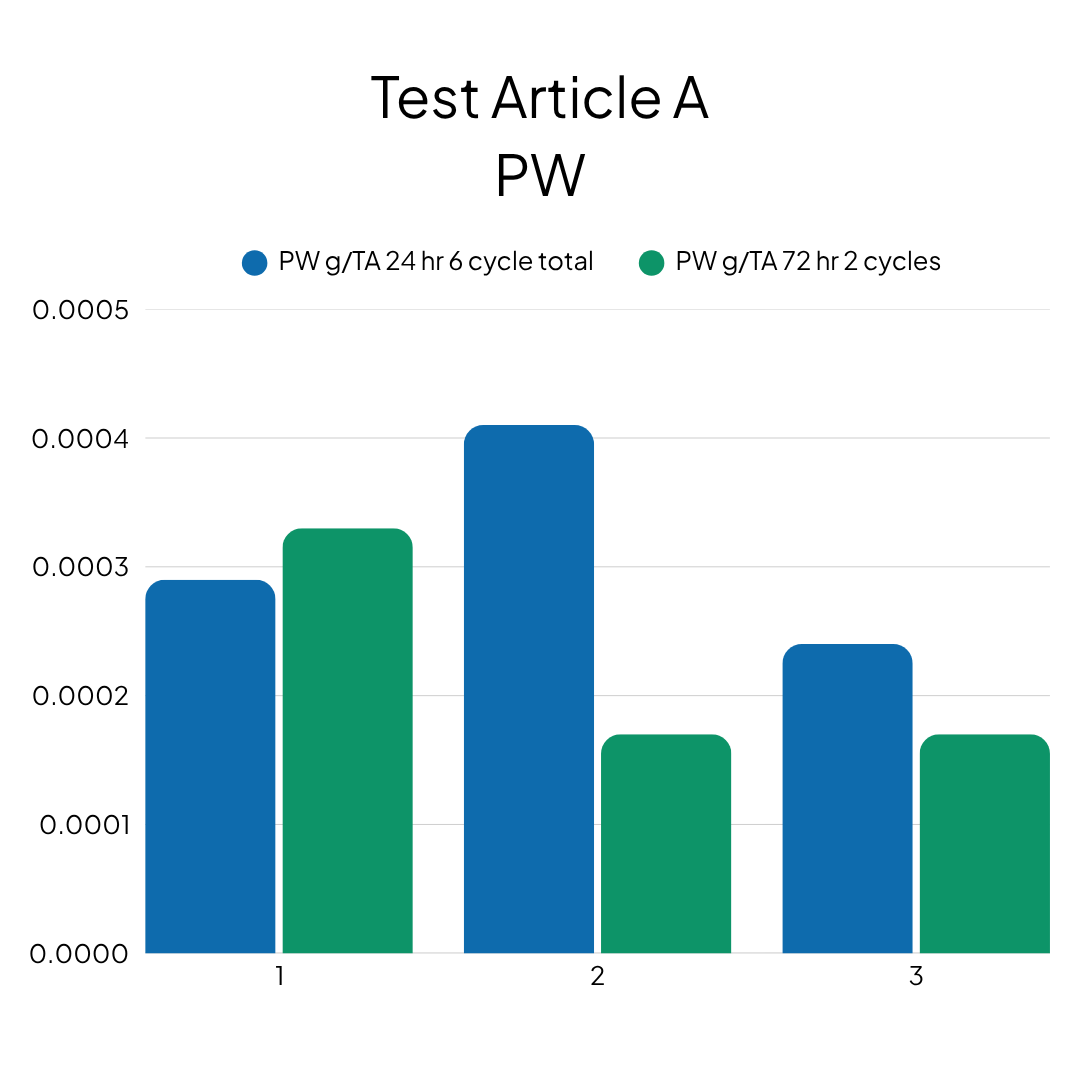
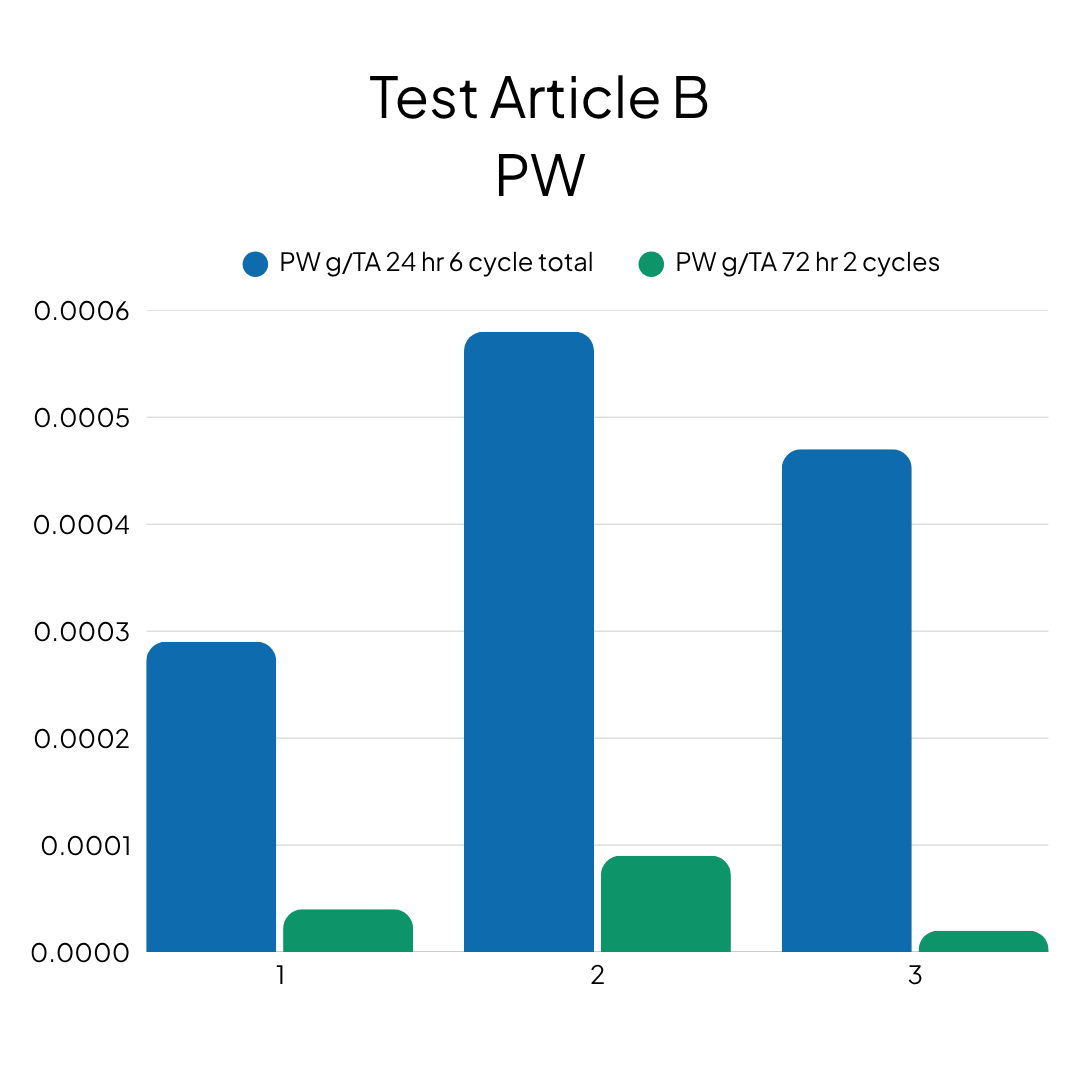
- Purified water and ethanol extractions using 24-hour cycles produced equal to or greater extractables mass than 72-hour cycles across all three materials when evaluated over the same total duration.
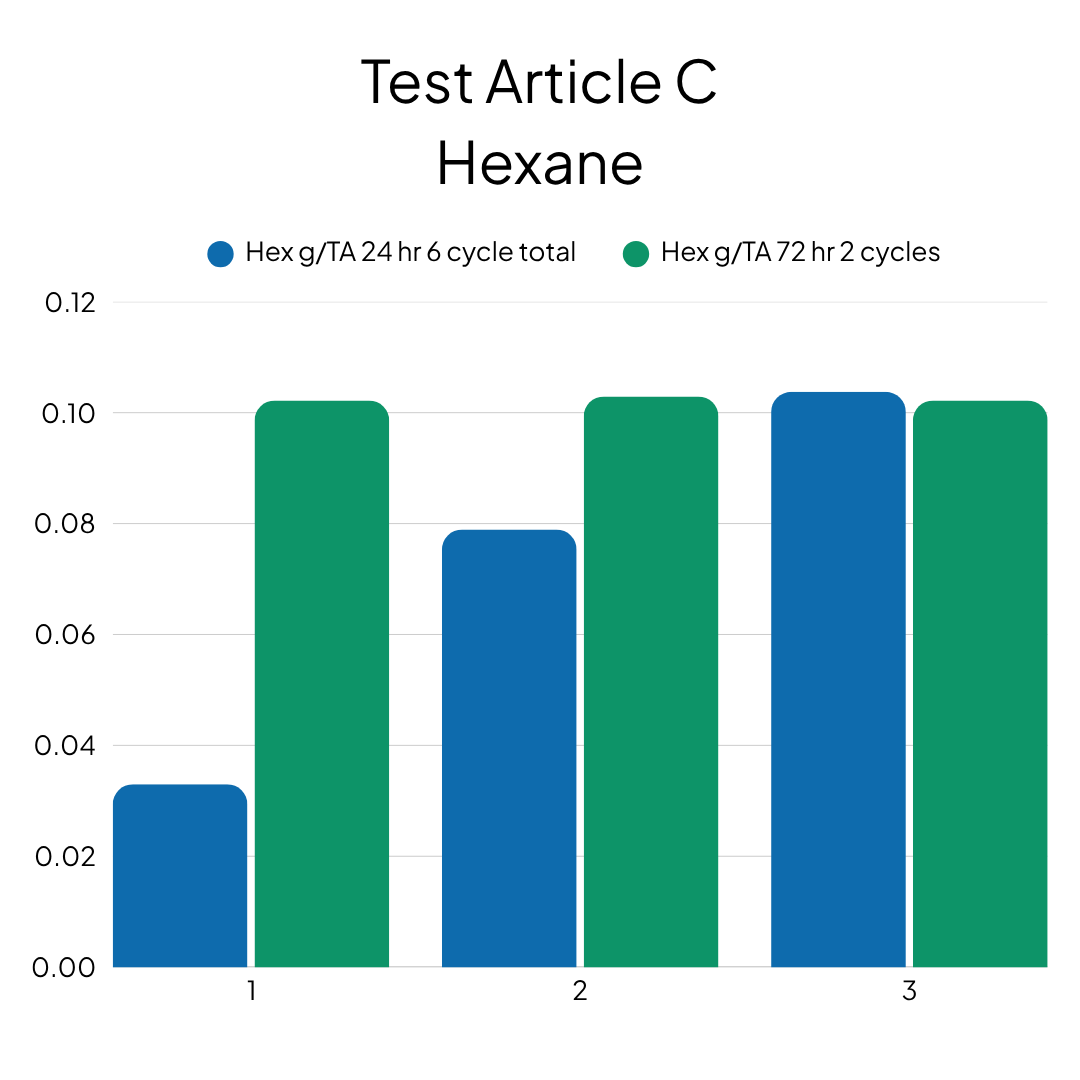
- Hexane extractions at 24-hour cycles yielded equal to or greater mass compared to 72-hour cycles for two of the three materials tested.
The total NVR results (g/TA) were plotted per solvent for six 24-hour cycles and two 72-hour cycles in triplicate.

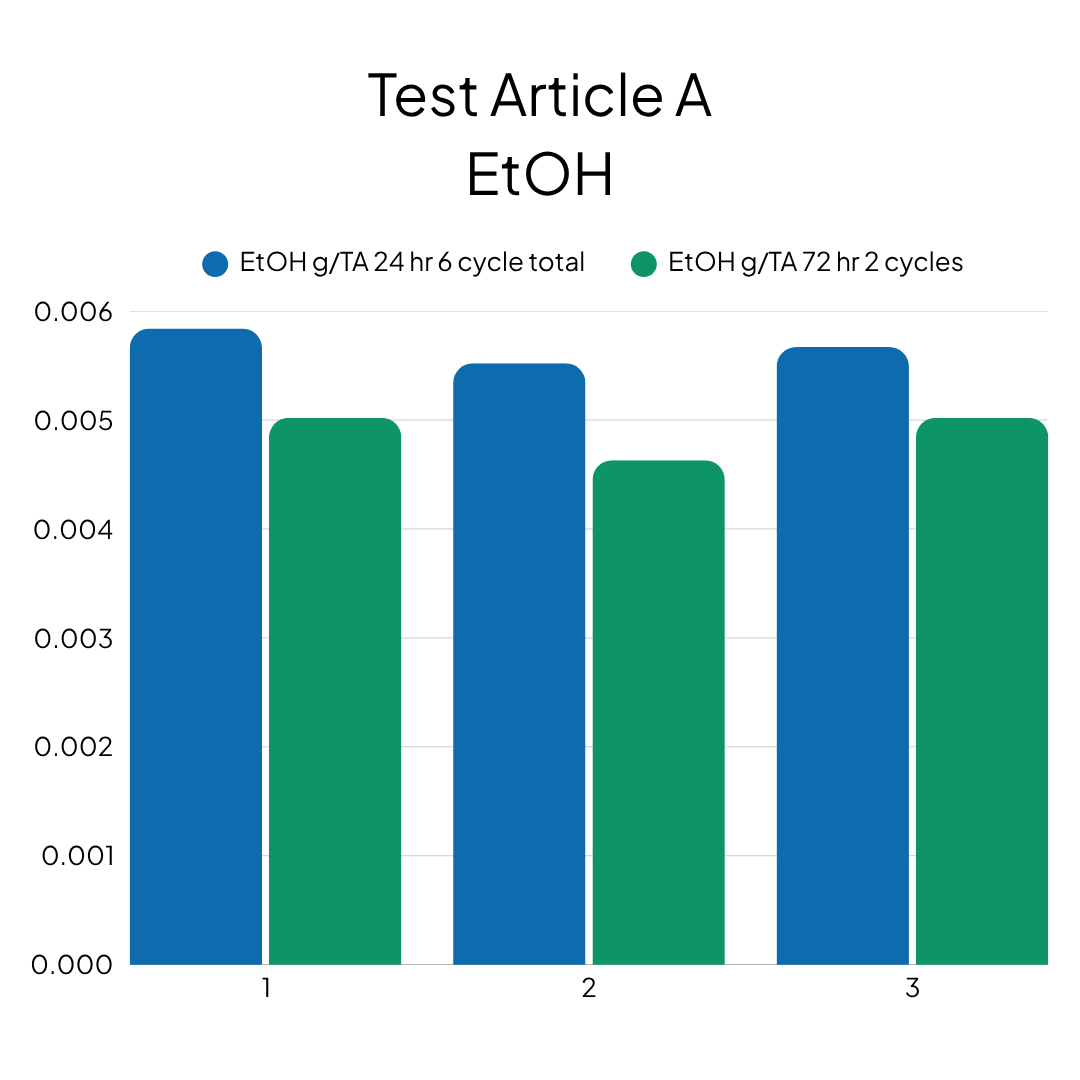
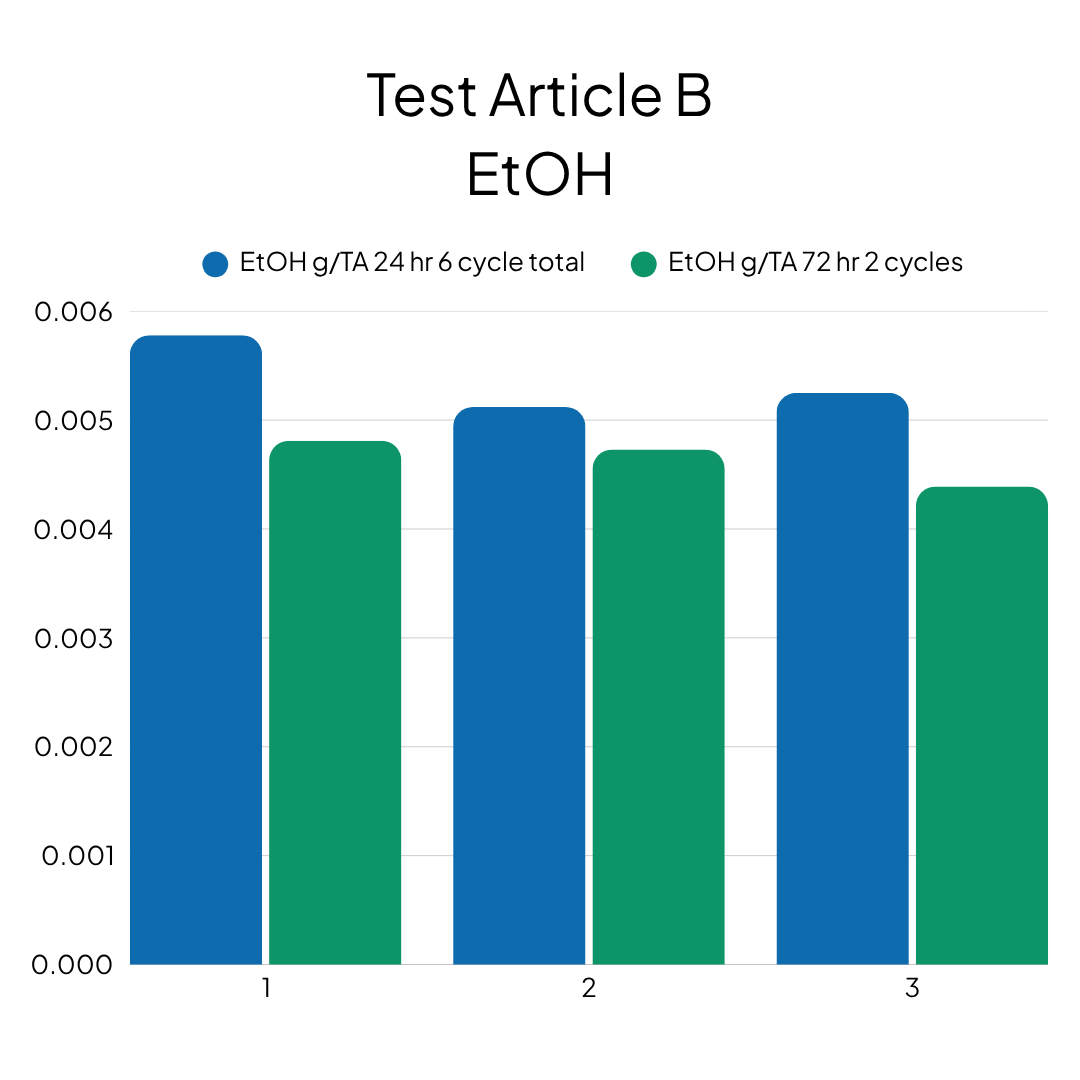
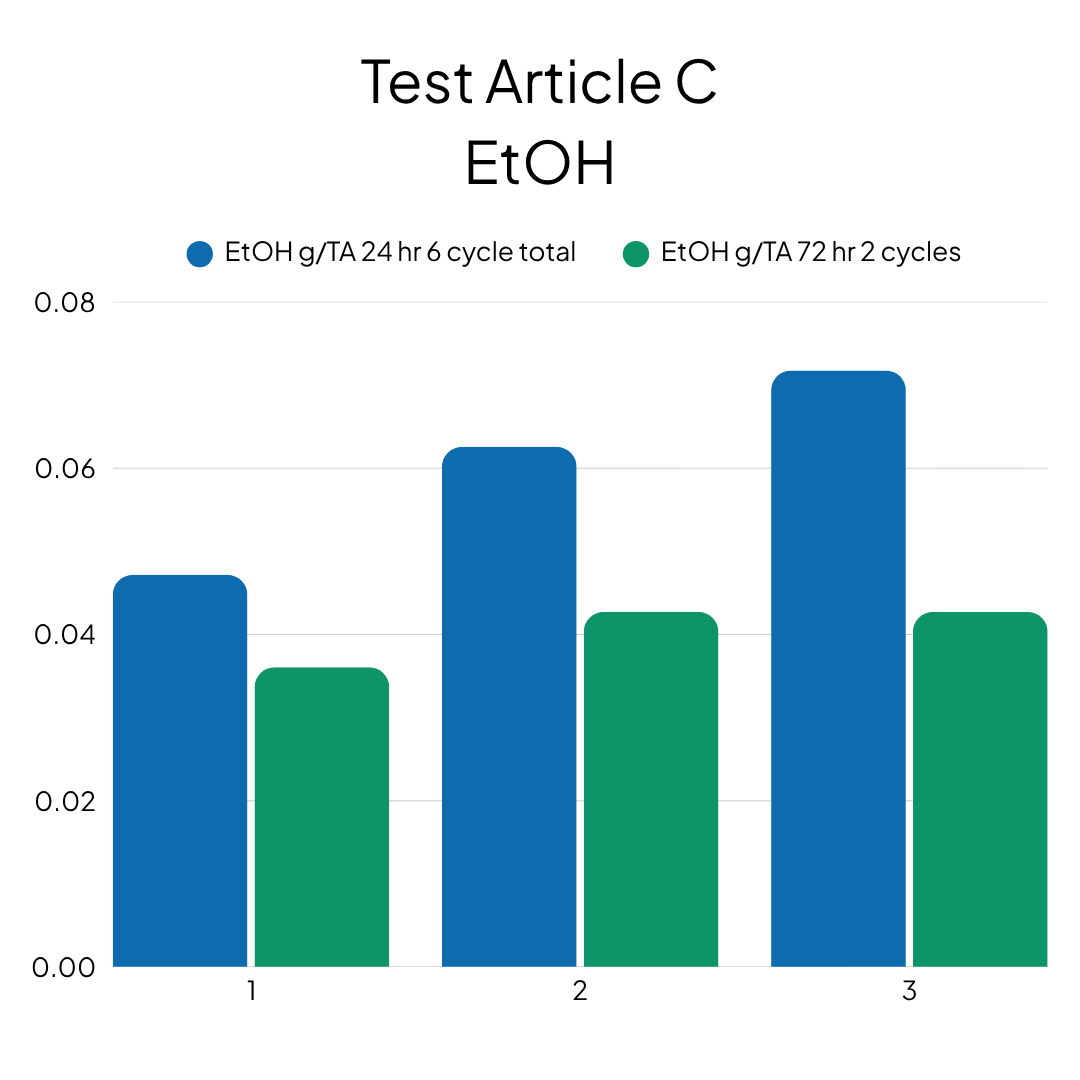

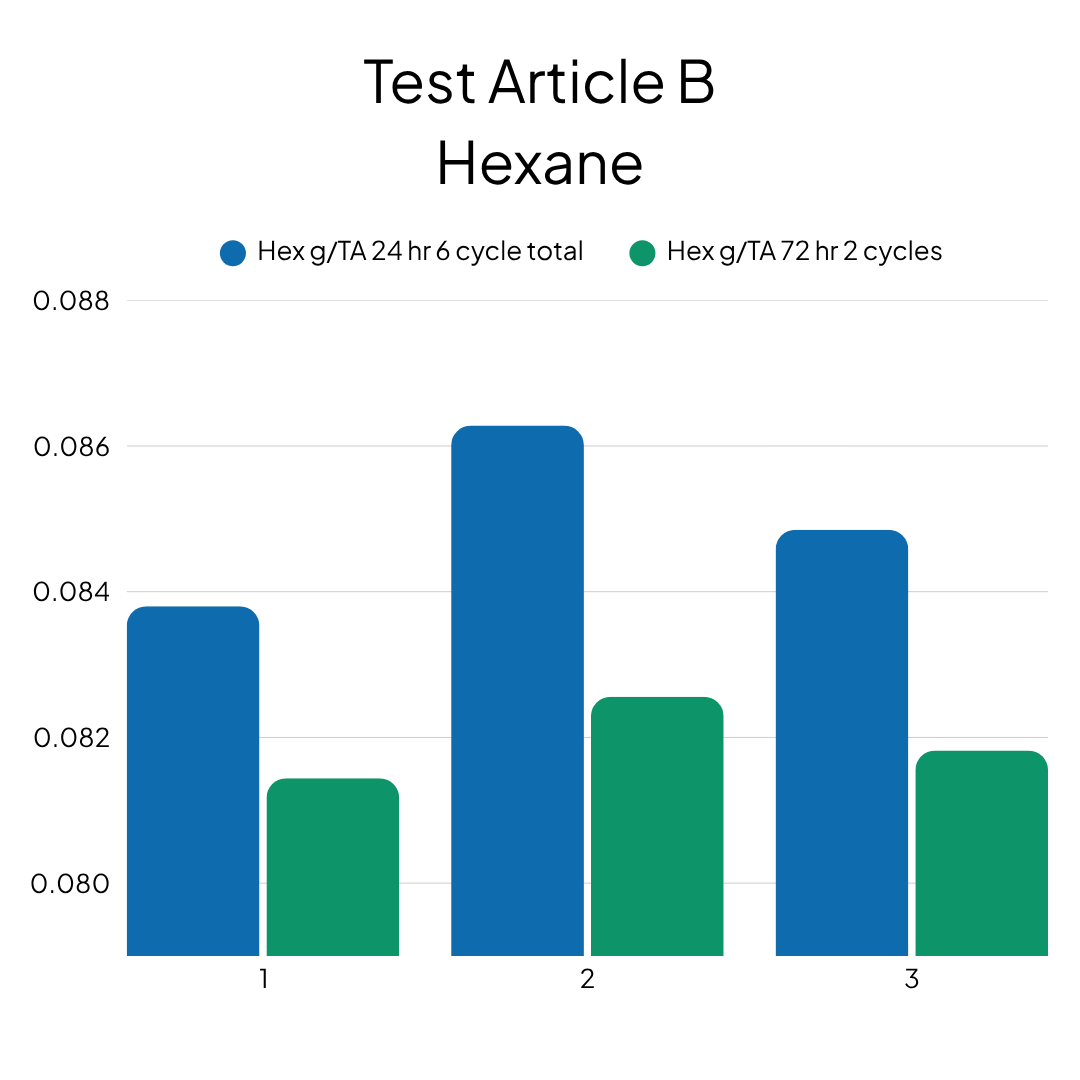
Exhaustivity Outcomes
- Purified water and hexane reached exhaustivity (as defined by ISO 10993-12 and ISO 10993-18) at or before 72 hours for all three materials when using 24-hour cycles.
- Ethanol extractions showed more complex behavior:
- For two materials, neither 24- nor 72-hour cycles achieved exhaustivity by 144 hours.
- In one case, a 24-hour cycle reached exhaustivity at 144 hours, while the corresponding 72-hour cycle did not.
The gravimetric results (g/TA) were plotted per 24-hour time point in triplicate until exhaustivity was reached determined by 2 consecutives< LOQ measurements or until 144 hours were conducted.
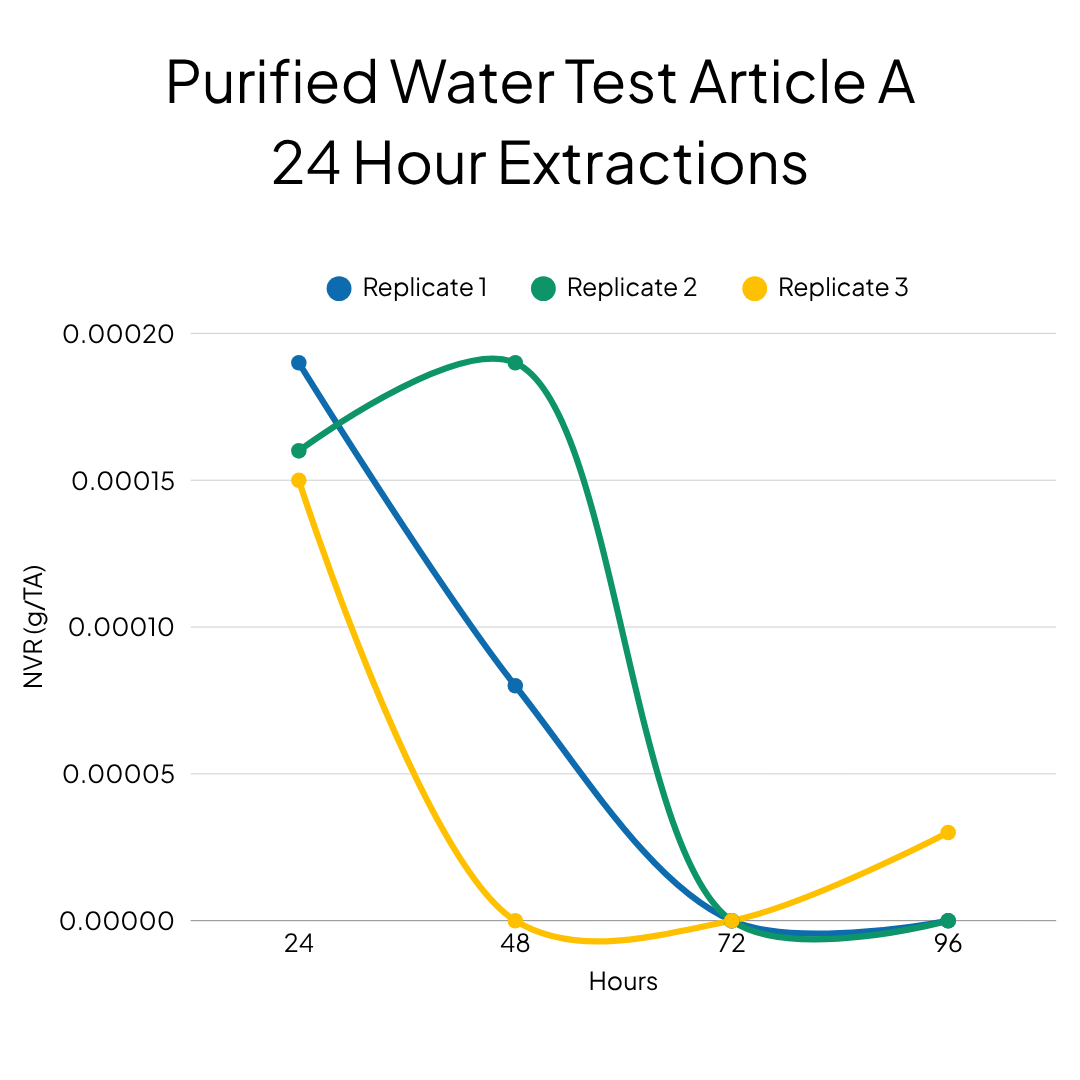

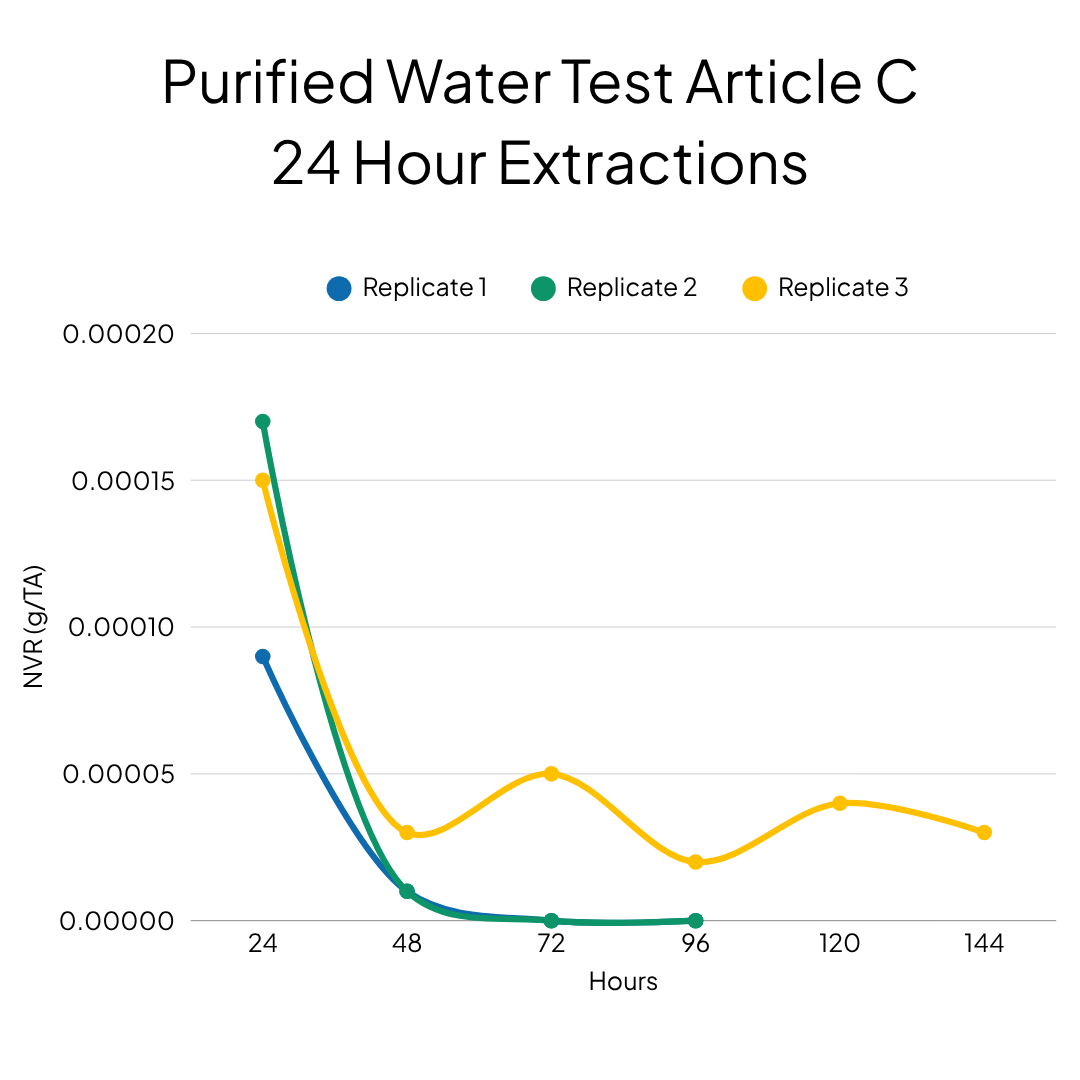
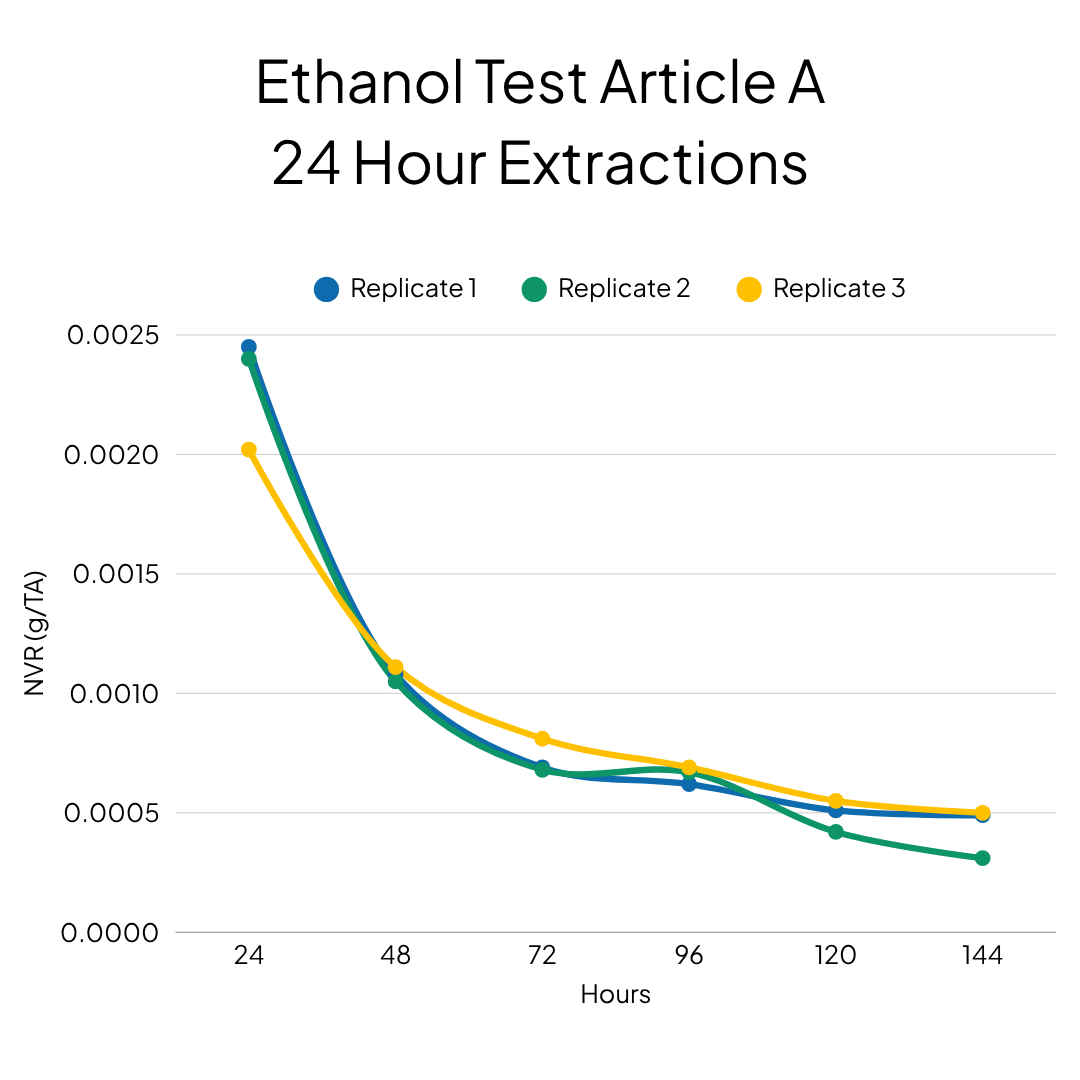
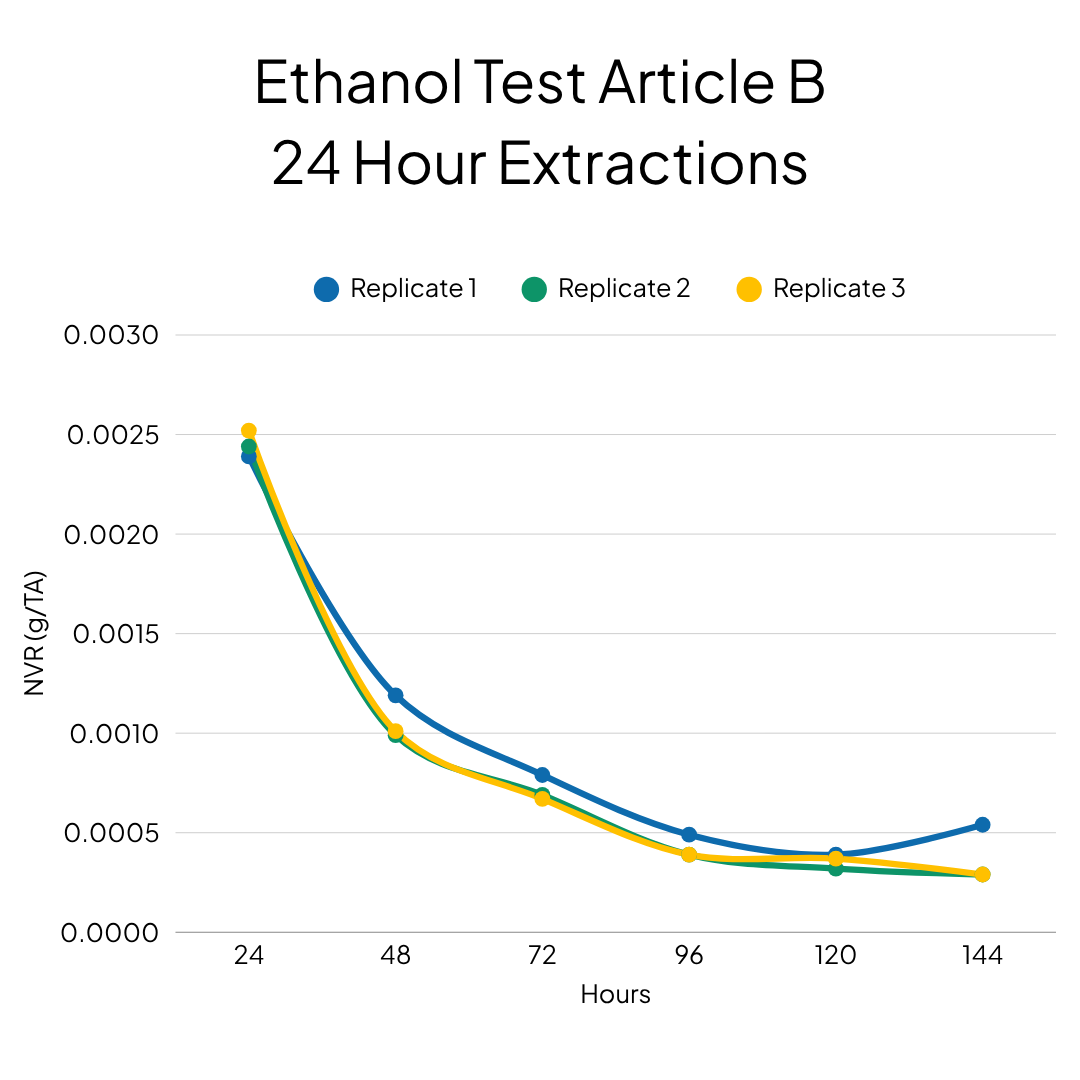
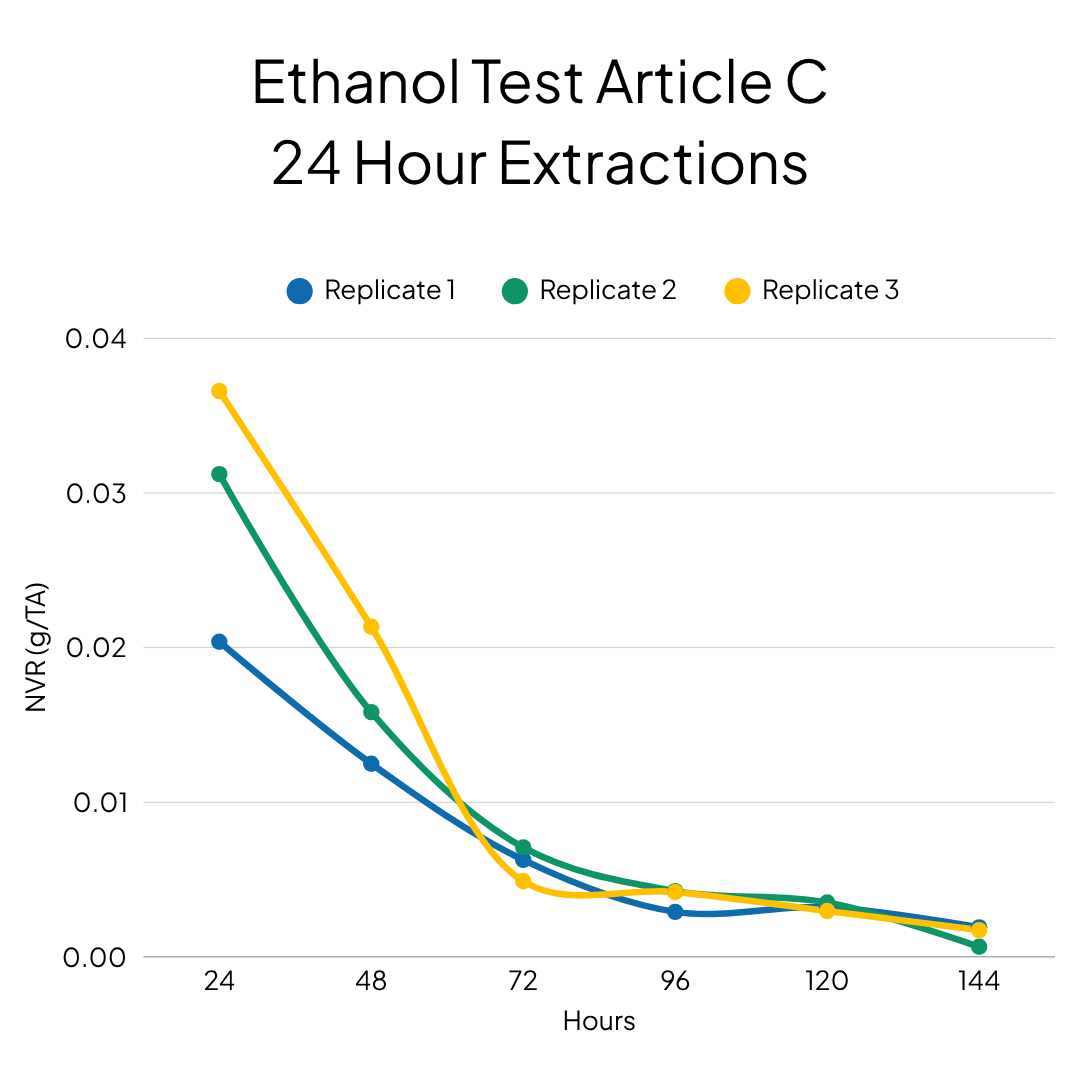
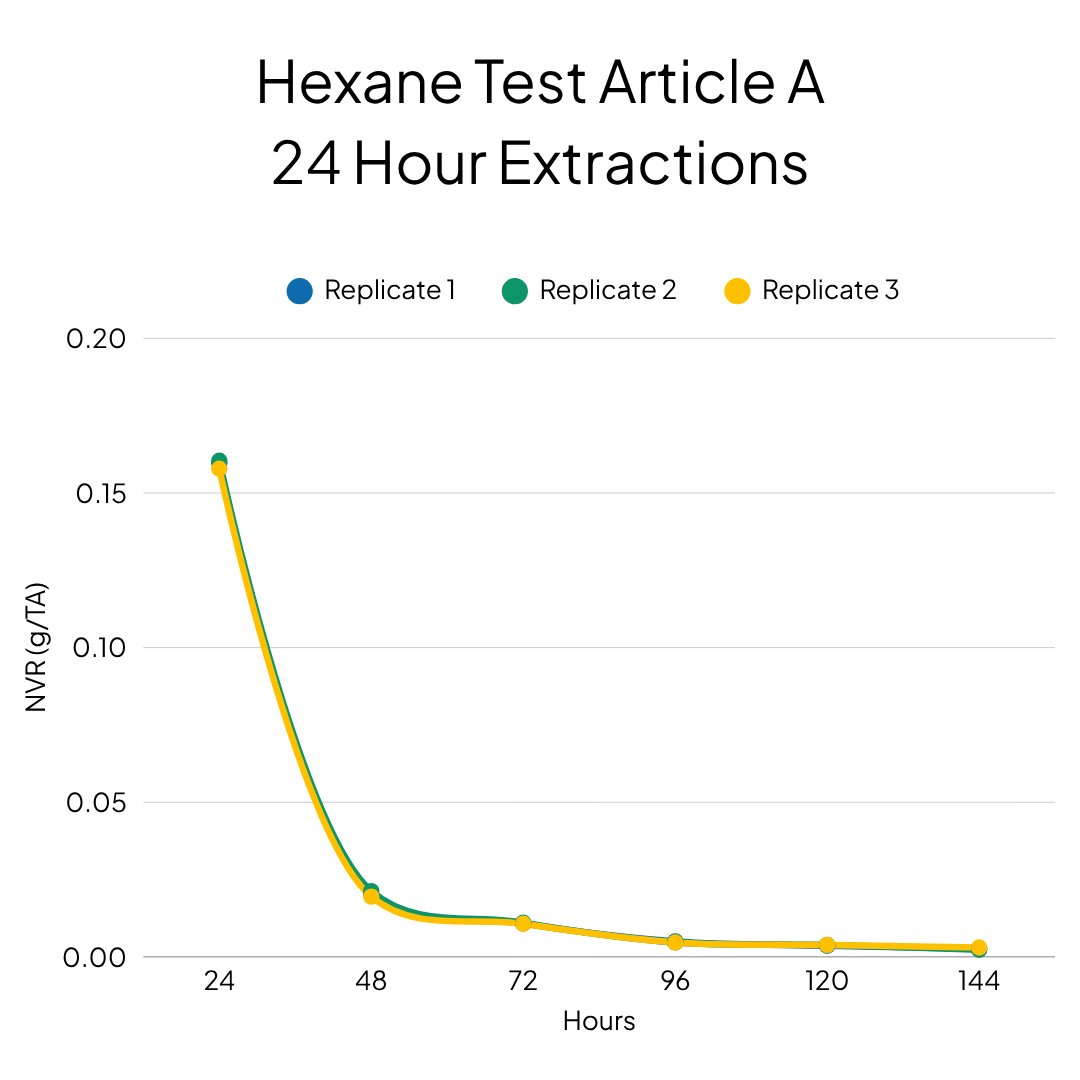
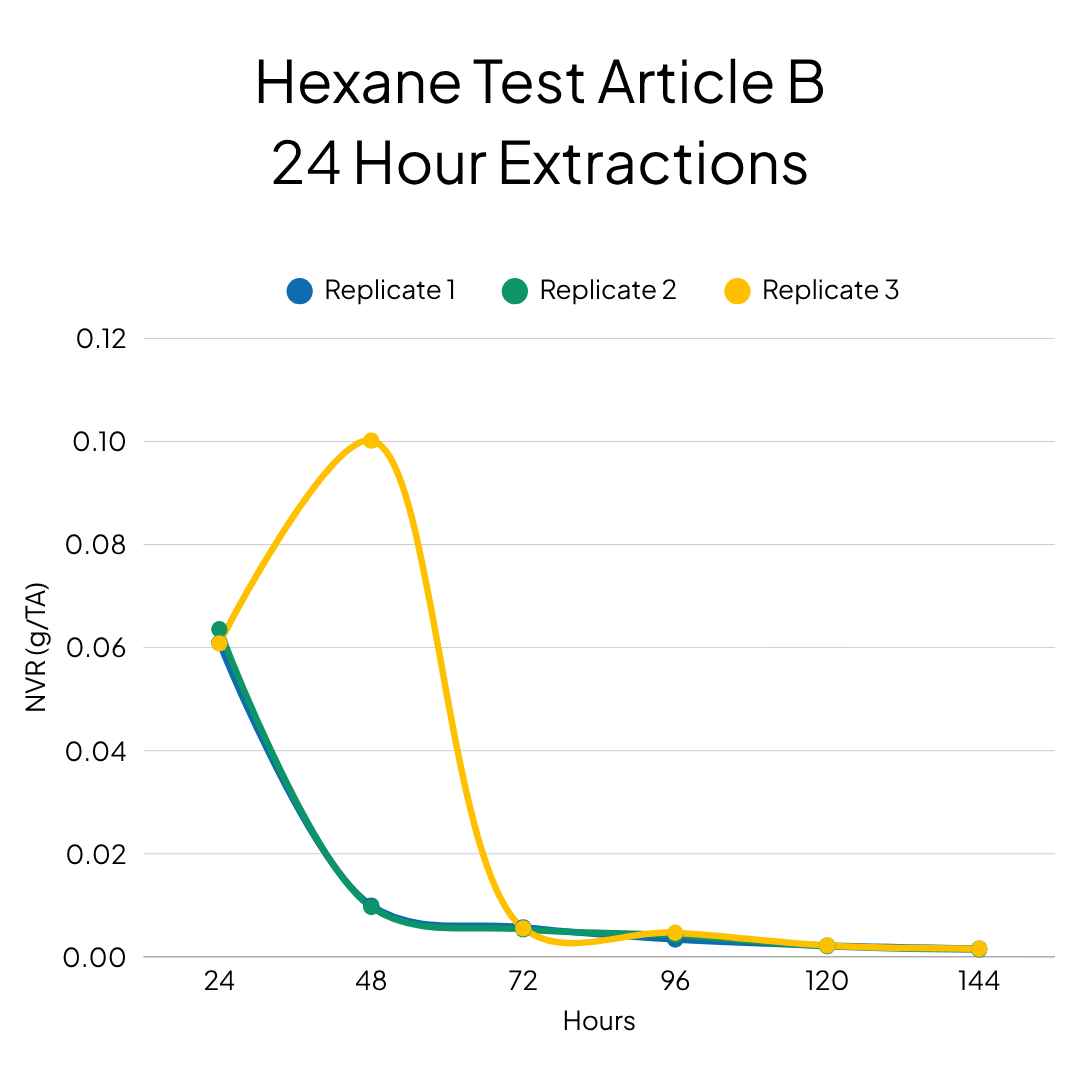
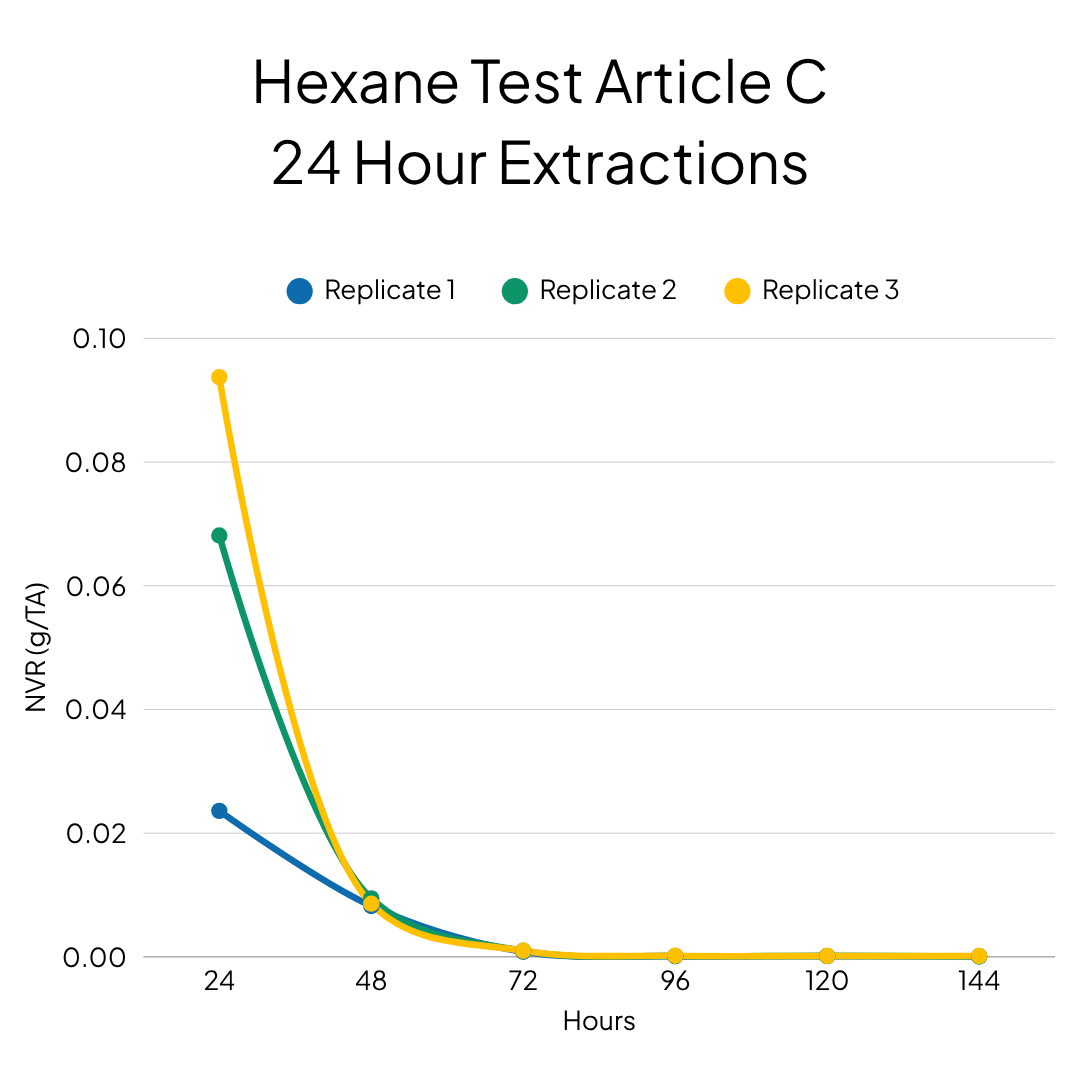
These findings highlight that longer extraction cycles do not inherently guarantee faster or more complete exhaustion—for both polar and non-polar solvents.
Why This Matters for Device Manufacturers
Our initial investigation suggests that 24-hour exhaustive extraction cycles can be a viable and scientifically justified alternative for prolonged and long-term contacting devices.
Key advantages include:
- More accurate representation of primary extractables, with reduced contribution from degradation products
- Alignment with release kinetics–based toxicological assessments outlined in ISO 10993-17
- Improved efficiency, potentially reducing overall study time without compromising regulatory defensibility
Given that degradation products are a known concern in extended, high-temperature extractions, a 24-hour cycle may better reflect real-world patient exposure while still meeting the expectations of the ISO 10993 series.
Final Takeaway
While 72-hour extraction cycles remain appropriate in certain scenarios, our data indicate that 24-hour exhaustive extraction cycles—when properly designed and justified—can meet or exceed the performance of 72-hour cycles for many materials and solvents.
As regulatory frameworks continue to emphasize scientific justification and worst-case exposure, shorter, well-supported extraction strategies may offer both technical and practical advantages.
NAMSA welcomes continued discussion and review of this work as part of the evolving conversation around efficient, science-based chemical characterization.
References
- ISO 10993-12: Biological evaluation of medical devices – Part 12: Sample preparation and reference materials (2021)
- ISO 10993-17: Biological evaluation of medical devices – Part 17: Toxicological risk assessment of medical device constituents (2023)
- ISO 10993-18: Biological evaluation of medical devices – Part 18: Chemical characterization within a risk management process (2020)
- U.S. FDA Draft Guidance: Chemical Analysis for Biocompatibility Assessment of Medical Devices (September 19, 2024)
- Li, B.J. Correlation of Extractables Transfer from Low-Density Polyethylene into Extraction Solvents… Journal of Solution Chemistry 52, 967–1000 (2023)